
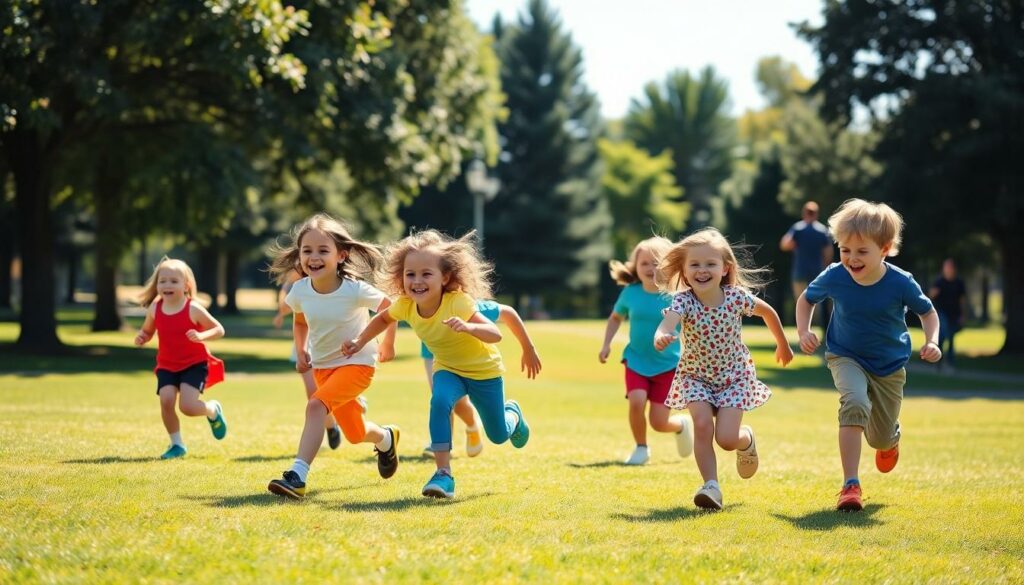
Preschoolers have an endless supply of energy that could power a small city. When it comes to channeling that boundless enthusiasm, movement activities are the secret sauce to keeping little ones engaged and active. Not only do these activities help develop crucial motor skills, but they also turn playtime into a fun-filled adventure.
Imagine a world where kids leap like kangaroos and wiggle like jellybeans. Movement activities not only spark joy but also foster social skills and creativity. Whether it’s a game of musical chairs or a mini obstacle course, these activities are the perfect recipe for laughter and learning. So, buckle up! It’s time to dive into a treasure trove of movement activities that’ll have preschoolers giggling and grooving in no time.
Benefits of Movement Activities for Preschoolers
Movement activities benefit preschoolers by encouraging physical fitness, skill development, and overall well-being. Engaging in such activities fosters a holistic growth environment.
Physical Development
Physical development flourishes through movement activities. Activities enhance gross motor skills like running, jumping, and climbing, which form the foundation for coordination. Balance improves as preschoolers navigate various environments, while flexibility increases through stretching exercises. Stronger muscles also support overall health and reduce injury risks. Engaging in these activities, preschoolers learn the value of physical fitness and develop a lifelong appreciation for active living.
Social and Emotional Skills
Social and emotional skills strengthen via cooperative movement activities. Kids learn communication and collaboration during group games like tag or relay races. These activities teach sharing, turn-taking, and conflict resolution, essential for building friendships. Increased self-esteem stems from successful participation, as kids feel validated by their peers. Positive emotional responses emerge from enjoying shared experiences, reinforcing a supportive social environment. As preschoolers engage in movement activities, they cultivate resilience and empathy, preparing them for future interpersonal relationships.
Types of Movement Activities

Movement activities come in various forms, each offering unique benefits for preschoolers. Engaging in both indoor and outdoor activities fosters physical skills and boosts social interaction.
Outdoor Activities
Outdoor movement activities provide ample space for children to explore and expend energy. Games like tag and hide-and-seek enhance agility and speed while encouraging teamwork. Nature walks allow preschoolers to observe their surroundings and gain appreciation for the environment. Meanwhile, activities such as jumping rope or playing on playground equipment develop coordination and strength. These experiences lay the foundation for a healthy lifestyle and promote a sense of adventure.
Indoor Activities
Indoor movement activities offer great alternatives during inclement weather. Simple options like dancing to music stimulate creative expression and rhythm. Obstacle courses using pillows or furniture combine fun with physical challenges, enhancing gross motor skills. Freeze dance encourages listening abilities and self-control, while simple yoga poses promote flexibility and calmness. These activities create an engaging atmosphere, allowing children to burn energy and develop important motor skills in a safe environment.
Incorporating Movement into Daily Routines
Daily routines provide ample opportunities for preschoolers to engage in movement. Integrating physical activities into these routines enhances their development, making learning more effective and enjoyable.
At Home
Parents can incorporate movement during everyday tasks. Turn cleaning into a fun game; children can dance while tidying up. Cooking together offers chances for movement, like stirring and hopping between tasks. Set aside time for short exercise breaks with activities such as jumping jacks or running in place. These sessions build coordination while reinforcing motor skills. Encourage children to follow simple exercise videos, creating an interactive experience that boosts confidence and creativity.
In the Classroom
Classroom settings can support movement through structured activities. Begin each day with a morning movement session to energize students. Incorporate songs that encourage actions like clapping or jumping. Setting up movement zones within the classroom allows for flexibility and exploration. Rotate through various stations featuring balance beams, hopping activities, or simple yoga poses. Utilize transition times for quick movement breaks, helping maintain focus and engagement. Engaging children in physical play fosters collaboration while enhancing communication skills.
Safety Considerations
Ensuring the safety of preschoolers during movement activities is crucial. Proper supervision and a safe environment play vital roles in minimizing risks.
Supervision and Environment
Active adult supervision helps prevent accidents during movement activities. Adults should maintain constant awareness of children’s actions and proximity to potential hazards. An environment free from obstacles, such as furniture or sharp objects, enhances safety. Outdoor spaces must feature safe surfaces, like grass or rubber mats, to cushion falls. Creating clearly defined boundaries also supports children in understanding the play area, promoting safe exploration.
Appropriate Equipment
Choosing age-appropriate equipment is essential for safe movement activities. Items should support the developmental level of preschoolers, such as soft balls or lightweight sporting gear. Equipment must be inspected regularly for wear and tear that could pose safety risks. Using padded surfaces under play structures decreases injury likelihood. Size and weight consideration ensure that children can manipulate equipment easily, which enhances enjoyment while maintaining safety.
Conclusion
Movement activities are essential for preschoolers as they promote physical fitness and foster social skills. Engaging in these activities not only allows children to expend energy but also cultivates creativity and teamwork. By incorporating various fun movement options into daily routines, parents and educators can create a vibrant environment that supports overall development.
Safety remains a priority when planning these activities. Ensuring a secure space and using age-appropriate equipment helps prevent accidents while maximizing enjoyment. By prioritizing movement, caregivers can lay the groundwork for healthy habits that last a lifetime, encouraging preschoolers to embrace an active lifestyle filled with joy and learning.