
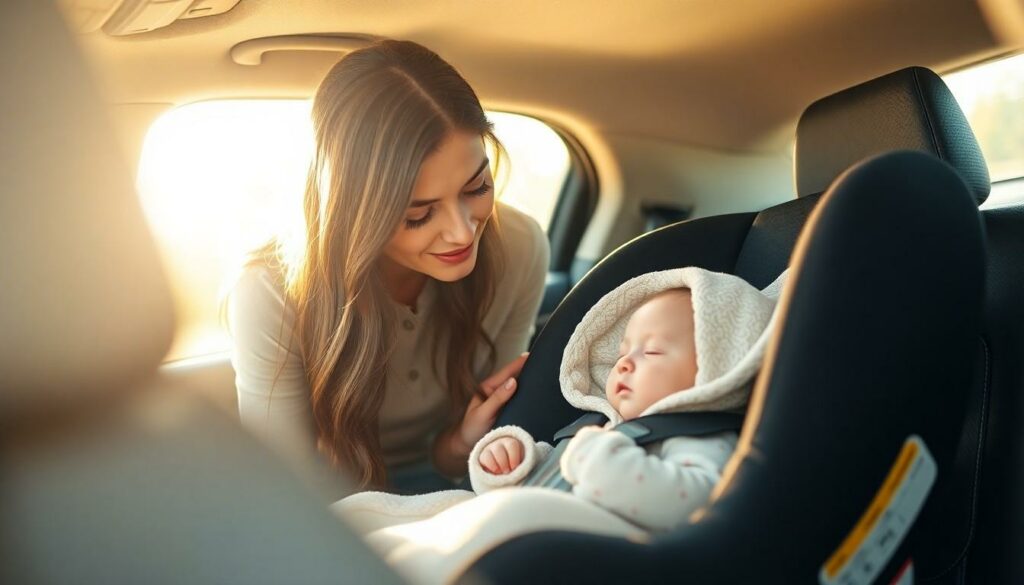
When it comes to traveling with a newborn, the car seat becomes a parent’s best friend and, at times, a source of endless questions. How long can that tiny bundle of joy really hang out in their cozy little seat? If only babies could talk, they’d probably say, “Hey, I’m not a potato—let me out!”
Understanding Car Seat Safety
Car seat safety is crucial for newborns, ensuring their protection while traveling. Parents prioritize understanding guidelines to keep their infants secure during car rides.
Importance of Proper Car Seat Use
Proper car seat use reduces the risk of injury or death during vehicle accidents. According to the National Highway Traffic Safety Administration, car seats decrease the likelihood of fatality by 71% for infants. Correct installation and usage ensure that newborns absorb impact forces effectively. It’s essential to follow the manufacturer’s instructions in detail. Parents should also check for recalls and updates on car seats regularly. Adhering to guidelines reinforces child safety and gives peace of mind.
Types of Car Seats for Newborns
Newborns typically require specific car seats designed for their size and weight. Infant car seats provide the appropriate support and are rear-facing, securing the baby’s head, neck, and spine. Convertible car seats, on the other hand, can transition from rear-facing to forward-facing, making them versatile as the child grows. A booster seat allows older children to sit safely using the vehicle’s seat belt. Parents should choose a seat that meets federal safety standards and fits their vehicle properly. Regularly reviewing car seat options keeps families informed about advancements in safety technology.
Guidelines for Newborns in Car Seats

Newborns require special attention when it comes to car seat usage. Following guidelines ensures safety and comfort for the little ones during travel.
Recommended Duration
Experts recommend that newborns should not remain in a car seat for more than two hours at a time. Staying in a seated position for extended periods can restrict airflow and increase the risk of positional asphyxia. Every 30 minutes during travel, parents should take breaks to check on their babies and allow for repositioning outside the car seat. During longer trips, it’s crucial to ensure that newborns aren’t left in car seats while stationary for extended durations, even if they fall asleep. Following these recommendations aligns with safety guidelines set by the American Academy of Pediatrics.
Signs of Discomfort or Risk
Parents should be vigilant for signs indicating discomfort or potential risk while their baby is in a car seat. Signs might include excessive fussiness, difficulty breathing, or changes in skin color. When a baby shows signs of straining or discomfort, it’s essential to remove them from the car seat and reassess positioning. Observing for arching of the back or signs of lethargy also indicates that the infant may need to be taken out. Monitoring these indicators can prevent serious health issues and ensure a more comfortable travel experience for both baby and caregiver.
Best Practices for Car Seat Use
Car seat safety is crucial for newborns. Following best practices ensures a secure and comfortable ride.
Positioning and Installation
Correct positioning significantly impacts safety. Place the car seat at a slight recline to support the baby’s head and neck. An angle of 30 to 45 degrees prevents airway obstruction. Installation should be tight, with little movement allowed at the base. Utilize the vehicle’s seat belt or LATCH system as recommended by the manufacturer. Some car seats feature indicators to ensure optimal recline and installation. Regularly confirming the effectiveness of the installation can safeguard against potential risks.
Regular Checks and Adjustments
Regular checks help maintain safety standards. Every trip should involve a quick inspection of the car seat’s fit and harness system. The harness should be snug, allowing no more than one finger’s width between the strap and the baby’s shoulder. Adjustment of the harness as the child grows is essential for comfort and security. Pay attention to recalls for car seats to ensure compliance with current safety guidelines. Frequent reviews of the car seat’s condition can prevent safety issues during travel.
Common Misconceptions
Misunderstandings about car seat usage for newborns persist. Many believe that babies can stay in a car seat for long durations without issues.
Myths about Duration in Car Seats
Some parents think that as long as a baby is asleep, longer trips in a car seat are acceptable. In reality, safety guidelines emphasize that infants should not remain in car seats for more than two hours at a time. Additionally, many assume that all car seats are comfortable enough for extended periods. This isn’t true, as prolonged restraint can lead to airflow restriction and risk of positional asphyxia. Knowing when to take breaks is essential for maintaining both safety and comfort during travel.
Real World Statistics and Studies
Studies reveal that misuse of car seats leads to increased risks. According to the National Highway Traffic Safety Administration, proper car seat use decreases the likelihood of fatality by 71% for infants. In a survey, 90% of parents reported not being fully aware of car seat safety guidelines, highlighting the critical need for education on safe travel practices. Parents must keep informed about the latest research and statistics to ensure their newborns’ safety while traveling.
Conclusion
Traveling with a newborn requires careful consideration of car seat safety. Parents should prioritize their baby’s comfort and well-being by adhering to recommended guidelines. Limiting car seat time to no more than two hours at a stretch and taking breaks every 30 minutes can help prevent potential risks.
It’s essential to monitor for signs of discomfort and adjust the car seat as needed. Staying informed about the latest safety standards and practices ensures a safer travel experience for both the baby and caregiver. By following these recommendations, parents can confidently navigate their journeys while keeping their little ones secure.