
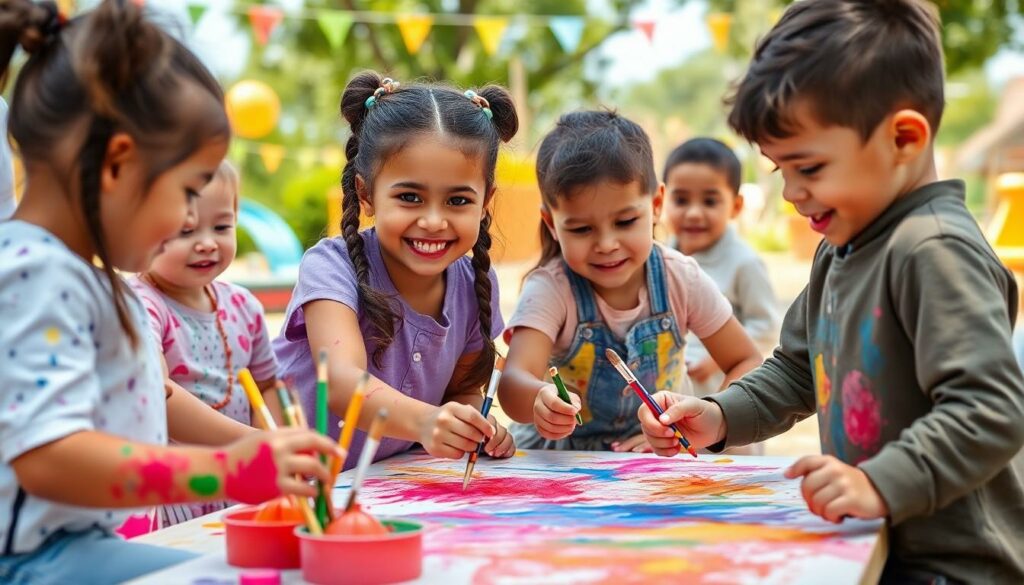
When it comes to preschoolers, creativity knows no bounds. Art activities aren’t just about splashing paint on paper—they’re gateways to imagination, self-expression, and a whole lot of fun. Picture tiny hands covered in glitter and paint, each masterpiece a reflection of their vibrant little minds. Who wouldn’t want to dive into that colorful chaos?
Importance Of Art Activity For Preschoolers
Art activities play a crucial role in preschoolers’ development. They foster creativity, allowing children to explore their imagination. Engaging in art boosts fine motor skills as children use various tools, from crayons to paintbrushes. Children express their feelings and thoughts through their artwork, fostering emotional development.
Collaboration often occurs during group art projects, helping preschoolers learn teamwork. Social skills emerge as they share materials and ideas with peers. Cognitive abilities also benefit; art encourages critical thinking as children make decisions about colors and shapes.
Exposure to different art forms enhances cultural awareness. Discovering various artistic styles opens conversations about diversity and acceptance. Art activities can increase focus and patience, as children learn to complete projects over time.
Self-esteem receives a significant boost when they complete an artwork. Seeing their creations displayed instills a sense of pride. Collaboration leads to positive interactions, making art a pathway for building friendships.
Art activities also connect to various learning areas, enhancing literacy and numeracy skills. For instance, counting colors or discussing shapes allows children to integrate academic concepts. Preschoolers who frequently engage in art also exhibit improved problem-solving skills.
Art provides a safe space for preschoolers to explore their identity. Every creation reflects their perspective, making art personal and meaningful. Encouraging regular art activities cultivates an environment supportive of exploration and growth.
Different Types Of Art Activities

Art activities come in various forms, each offering unique benefits for preschoolers. Engaging in different art projects not only sparks creativity but also enhances key developmental skills.
Drawing And Coloring
Drawing and coloring activities provide a foundation for artistic expression. Children use crayons, markers, or colored pencils to create their own visual stories. This process strengthens fine motor skills as they practice grasping tools and controlling movements. Exploration of colors teaches them about mixing and experimentation. Groups of children can share their drawings, fostering social interaction and collaboration. Themes like animals or nature can guide their projects, helping them connect with the world around them.
Painting
Painting opens up endless possibilities for preschoolers. Using finger paints, watercolors, or tempera paints allows kids to explore textures and techniques. They dip their brushes into vibrant colors, enhancing their sensory experiences. Painting can encourage self-expression, where children convey emotions and stories through abstract forms. Collaborative mural projects promote teamwork as they work on a large canvas. Incorporating different tools like sponges and rollers introduces new methods and keeps the activity engaging.
Craft Projects
Craft projects enable preschoolers to create tangible objects from various materials. Kids can use items like paper, glue, scissors, and recycled materials to construct their masterpieces. Simple activities such as making paper plate masks or collages enhance their creativity and resourcefulness. Crafting can also support fine motor skills as they cut and assemble pieces. Group craft sessions nurture sharing and cooperation, allowing children to learn from one another. The final products serve as sources of pride, showcasing their individuality and effort.
Benefits Of Art Activities
Art activities provide numerous benefits for preschoolers. Engaging in these activities enhances overall development, supporting both cognitive and emotional growth.
Enhancing Creativity
Creativity flourishes through art. Engaging in various artistic projects allows preschoolers to express unique ideas, encouraging originality. Children explore color combinations, shapes, and textures, which stimulates their imagination. Different materials, like paper, clay, and paint, offer endless possibilities for creativity. These experiences help them think outside the box, promoting problem-solving skills. When children create, they learn the value of their ideas and develop a sense of pride in their work. Group art activities foster collaboration, encouraging them to share thoughts and gain inspiration from peers, which enhances creative expression.
Developing Fine Motor Skills
Fine motor skills strengthen through art activities. Drawing, painting, and crafting require precise hand movements, which help children gain better control over their fingers and hands. Manipulating tools, like paintbrushes and scissors, aids in developing coordination. Engaging with small materials, such as beads or buttons, provides further opportunities for skill enhancement. These actions lay the groundwork for future writing and self-care tasks. Completing art projects boosts children’s focus and patience, as they invest time working on intricate details. In turn, this mastery of fine motor skills contributes to greater independence in daily activities.
Tips For Successful Art Activities
Success in art activities hinges on thoughtful preparation and engagement. Integrating age-appropriate materials significantly enhances the experience for preschoolers.
Choosing Age-Appropriate Materials
Selecting safe materials boosts creativity and keeps children engaged. Crayons, washable markers and non-toxic paints cater to their developmental stage. Avoid items with small parts or harmful chemicals that may pose risks. Providing paper in various textures fosters exploration and encourages experimentation. Always consider sensory experiences while choosing materials. For instance, using playdough or finger paint stimulates tactile senses and invites artistic expression. Ultimately, accessible tools prepare preschoolers for the joys of art, building confidence and promoting free exploration.
Encouraging Imagination
Imagination thrives in an open environment filled with possibilities. Encourage preschoolers to express themselves without fear of judgment. Asking open-ended questions, like “What do you see?” or “How does this make you feel?” sparks creative thinking. Providing ample opportunities for choice empowers children to make decisions about their art. Incorporating themes, like nature or favorite stories, fuels inspiration. Allowing time for independent exploration cultivates deeper connections to materials and ideas. Thus, fostering an imaginative atmosphere promotes self-expression and unleashes creativity in young artists.
Conclusion
Art activities for preschoolers play a vital role in their overall development. By engaging in creative projects, children not only express themselves but also enhance essential skills like fine motor abilities and social interaction. These activities create a joyful environment where imagination flourishes and individuality shines.
As preschoolers explore different mediums and techniques, they develop critical thinking and problem-solving skills. The collaborative nature of many art projects fosters teamwork and communication, allowing children to learn from one another.
Ultimately, incorporating regular art activities into a preschooler’s routine nurtures a sense of pride and accomplishment. It lays the foundation for lifelong creativity and a love for learning, ensuring that young minds are equipped to thrive in various aspects of life.