
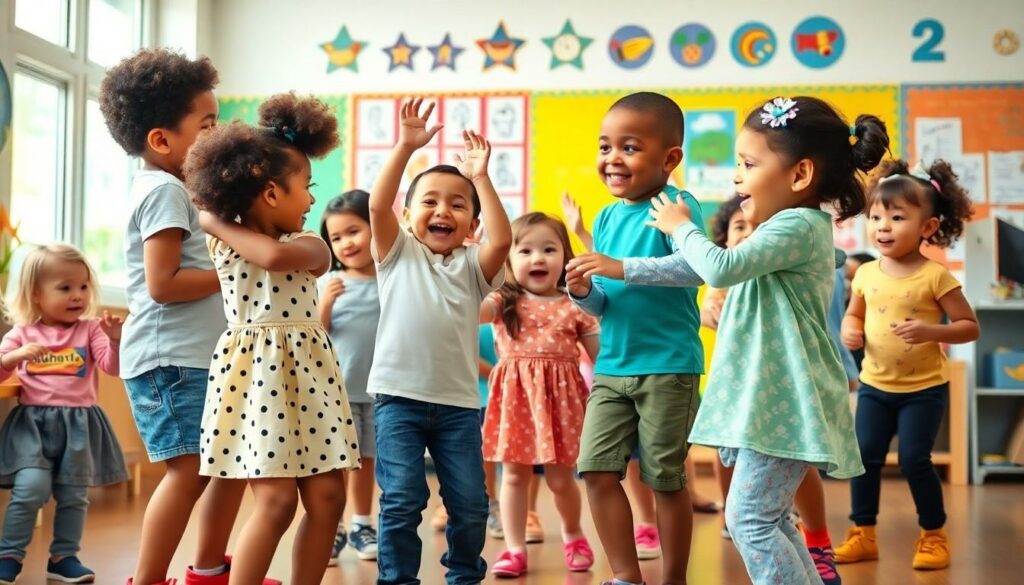
Getting preschoolers to move can feel like herding cats, but action songs make it a breeze. These lively tunes not only spark giggles but also get tiny feet dancing and little arms waving. Imagine a room full of energetic kids singing and jumping around—it’s a sight to behold!
Benefits Of Action Songs For Preschoolers
Action songs provide numerous benefits for preschoolers. These interactive tunes promote essential skills and development through engaging activities.
Enhances Physical Development
Moving to action songs improves motor skills. Children experience increased coordination while following movements. Strength and flexibility also develop as they jump, stretch, and dance. Engaging in these physical activities helps develop balance, which is crucial for their overall growth. Through regular participation, children gain confidence in their physical abilities.
Boosts Cognitive Skills
Action songs stimulate cognitive growth in preschoolers. Learning lyrics engages memory and listening skills. Additionally, children practice following sequences and instructions, which enhances critical thinking. Repetition of songs reinforces language skills, aiding vocabulary expansion. Complex patterns in lyrics promote problem-solving abilities, essential for later academic success. Regular exposure to these songs can foster a love for music and learning.
Promotes Social Interaction
Group activities centered around action songs facilitate social interaction. Children collaborate as they dance and sing together, building teamwork skills. Through these shared experiences, they learn to communicate and express emotions. Action songs create opportunities for friendships to flourish, enhancing social development. Engaging in activities with peers fosters a sense of belonging, crucial for emotional well-being.
Types Of Action Songs

Action songs for preschoolers fall into several categories, each offering unique benefits and entertainment. These types include classic action songs, modern action songs, and cultural action songs.
Classic Action Songs
Classic action songs often incorporate timeless melodies and simple movements. Examples include “Head, Shoulders, Knees, and Toes” and “If You’re Happy and You Know It.” These tunes encourage preschoolers to follow along, enhancing motor skills and coordination. Engaging with familiar lyrics promotes memory retention while making physical activity enjoyable. Many adults remember these songs, creating a nostalgic connection that enriches the experience for both children and caregivers.
Modern Action Songs
Modern action songs feature contemporary themes and playful rhythms. Popular options include “Baby Shark” and “The Chicken Dance.” These selections captivate children’s attention with vibrant beats and catchy phrases. Modern action songs often include more varied movements, encouraging creativity and active participation. Many preschoolers delight in the unique choreography, fostering both individual expression and collaboration during group activities.
Cultural Action Songs
Cultural action songs introduce preschoolers to diverse traditions and languages. Examples involve “A Ram Sam Sam” and “Ode to Joy.” Such songs expose children to various cultures while promoting inclusivity and appreciation for differences. Engaging with cultural action songs helps preschoolers develop social skills and a sense of belonging. Many of these songs include interactive dance steps, encouraging exploration and movement.
Incorporating Action Songs In The Classroom
Incorporating action songs into the classroom enhances children’s engagement while promoting movement and learning.
Tips For Teachers
Utilize a variety of action songs to cater to different interests and energy levels. Choose songs with clear actions that are easy for preschoolers to follow. Encourage participation by demonstrating movements, ensuring every child feels included. Regularly refresh the song selection to maintain excitement and prevent boredom. Incorporate instruments or props for added fun, allowing students to explore rhythm and coordination. Foster a positive atmosphere by celebrating efforts, making young learners feel accomplished and motivated.
Creating A Routine
Establishing a routine with action songs helps preschoolers understand expectations. Dedicate specific times during the day for these songs, allowing children to anticipate and look forward to the activity. Combine action songs with transitions between activities, easing shifts in focus and maintaining energy levels. Begin or end the day with favorite tunes to create a sense of familiarity and comfort. Continuously adjust the routine based on student engagement and feedback, ensuring that the experience remains dynamic and enjoyable for everyone involved.
Popular Action Songs For Preschoolers
Action songs engage preschoolers and make learning enjoyable. Here are some popular selections that enhance physical and cognitive development.
“The Wheels On The Bus”
“The Wheels On The Bus” captivates children with its repetitive, catchy tune and relatable theme. Movements accompany the lyrics, allowing toddlers to mimic the actions of buses, people, and animals. This song fosters fine and gross motor skills. Children can stretch their arms wide to signal the bus moving, squat to represent the passengers, and sway to mimic the bus rocking. Each repetition reinforces memory recall, as kids remember lyrics and movements. Incorporating this song into daily routines encourages participation and camaraderie among preschoolers.
“Head, Shoulders, Knees, And Toes”
“Head, Shoulders, Knees, And Toes” is a timeless classic that facilitates learning body parts. Children sing while touching each designated body part, enhancing coordination and body awareness. The fast pace challenges preschoolers to keep up, building both physical and cognitive skills. Variations can introduce new movements, promoting creativity. As kids alternate speeds, they develop listening skills and rhythmic awareness. This action song creates a fun environment that supports cooperative play and engagement in group settings.
“If You’re Happy And You Know It”
“If You’re Happy And You Know It” encourages emotional expression through movement. This interactive song prompts children to clap, stomp, or shout, directly engaging them in the performance. Each action correlates with feelings, promoting awareness of emotions. Kids gain confidence as they perform in front of peers. The repetitive structure helps reinforce memory, while variations allow for endless creativity. Encouraging children to suggest their own actions fosters imagination and strengthens social bonds. The song transforms simple feelings into an active, shared experience that nurtures community.
Conclusion
Action songs are a powerful tool for engaging preschoolers in active play and learning. They not only make movement enjoyable but also support essential developmental skills. By incorporating a variety of classic, modern, and cultural action songs into daily routines, caregivers and educators can create an enriching environment that fosters physical, cognitive, and social growth.
These songs encourage children to express themselves while promoting teamwork and communication. Ultimately, action songs transform learning into a fun and dynamic experience that benefits both children and their caregivers. Embracing this approach can lead to joyful moments filled with laughter, movement, and valuable connections.