
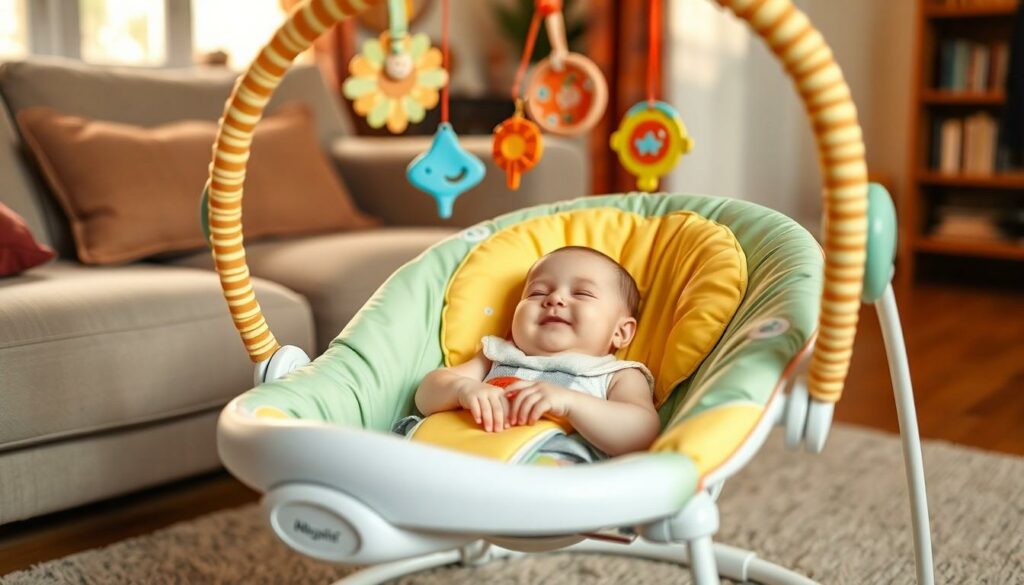
When it comes to baby gear, the baby bouncer often steals the spotlight. It’s like the VIP lounge for infants, promising a safe space for little ones to bounce, giggle, and maybe even plot their world domination. But before parents strap their precious bundle into this modern marvel of engineering, they might wonder: are baby bouncers really safe for newborns?
Overview of Baby Bouncers
Baby bouncers provide soothing motion that can calm and entertain infants. Designed for comfort, these products often include soft seating and safety harnesses. Features such as reclining backrests and adjustable seats cater to little ones’ varying needs.
Safety measures are paramount when considering bouncers for newborns. Manufacturers commonly recommend appropriate age and weight limits, typically for infants aged 0 to 6 months or up to 20 pounds. It’s essential for parents to review this information for safe usage.
Materials play a significant role in setting up a baby bouncer. Non-toxic fabrics and sturdy frames ensure infants remain safe while using these devices. Some models also feature removable, machine-washable covers, enhancing hygiene and ease of use.
Stability stands out as a critical aspect of baby bouncer design. Base structures are designed to prevent tipping over, providing a secure environment during use. Parents should always supervise infants while they are in a bouncer to ensure safety.
Accessories can enhance a bouncer’s functionality. Many feature toys, music, or vibrations to attract or soothe babies, making these products versatile. Attachment options vary, so selecting a bouncer that meets individual preferences is key.
Research supports the popularity of baby bouncers among caregivers as beneficial for short-term placements. Medical guidelines encourage limited use to prevent potential issues like flat head syndrome or sleep disturbances. Understanding how to use baby bouncers safely allows for effective incorporation into infant care routines.
Safety Regulations for Baby Bouncers

Safety regulations ensure that baby bouncers can be used securely for newborns. Recognizing the importance of these guidelines helps parents make informed choices.
American Safety Standards
American safety standards set specific requirements for baby bouncers. The Consumer Product Safety Commission (CPSC) establishes regulations that focus on design and construction, ensuring that products are safe. They require stability tests to prevent tipping over. Additionally, safety labels are mandated, displaying warning information and usage guidelines. Compliance with these standards minimizes the risks associated with baby bouncers, contributing to overall infant safety.
Manufacturer Guidelines
Manufacturers offer essential guidelines on proper usage of baby bouncers. Clear recommendations indicate age and weight limits, typically suited for infants aged 0 to 6 months or up to 20 pounds. They emphasize the importance of using safety harnesses at all times to secure infants and prevent falls. Many companies advise against leaving babies unattended in bouncers to mitigate risks. Regular inspection of components is crucial to identify wear or damage, ensuring each use is safe.
Potential Risks of Baby Bouncers
Understanding the potential risks associated with baby bouncers is crucial for ensuring the safety of newborns during their use.
Injury Risks
Injuries can happen if a baby bouncer tips over or if a baby wiggles out of the harness. Maintaining proper stability is essential, as tipping can result in falls. Babies also may not be adequately restrained, leading to possible injuries. Notably, parents should regularly inspect safety harnesses to ensure they fit securely. Equipment malfunctions, such as broken frames or faulty toys, can pose additional risks. Always supervising a baby while using a bouncer significantly reduces these injury risks.
Developmental Concerns
Developmental concerns arise when babies spend too much time in baby bouncers. Extended use can contribute to problems such as flat head syndrome or hinder muscle development. Reducing seat time for infants encourages age-appropriate physical activities. Experts recommend limiting bouncer use to 30 minutes at a time, promoting overall well-being. Ensuring that babies have opportunities to strengthen their neck and back muscles outside the bouncer fosters proper development. This balance helps cultivate healthy growth patterns in newborns.
Benefits of Using Baby Bouncers
Baby bouncers provide several advantages for both infants and parents. They offer soothing motions that help calm fussy newborns, making them a valuable tool for easing stress during challenging moments.
Soothing Effects
Soothing effects are crucial for newborns. Baby bouncers create gentle rocking motions that mimic natural movements. Skills are built as babies relax and enjoy the calming experience. Parents often find that this soothing environment allows them to attend to other tasks while knowing their infants are content. Many bouncers feature vibrations, offering an extra layer of comfort. A soft, cushioned seat enhances the overall experience, making infants more likely to settle in for longer periods.
Convenience for Parents
Convenience for parents ranks high among the benefits of baby bouncers. Lightweight designs enable easy transport from room to room. Secure safety harnesses ensure that babies stay safely in place while parents multitask. Many bouncers come with adjustable settings, allowing parents to customize height and reclining positions for their child’s comfort. Attachments like toys or mobile music keep babies entertained, giving parents peace of mind during chores or breaks. This versatile gear can simplify routines, enabling easier daily management.
Best Practices for Safe Use
Following best practices ensures the safe use of baby bouncers for newborns. Awareness of guidelines enhances care and minimizes risks.
Duration of Use
Limit bouncer use to 30 minutes at a time. Experts recommend this duration to prevent developmental issues such as flat head syndrome. Frequent breaks allow newborns to engage in active play and promote healthy muscle development. Daily use should also be minimized to reduce the potential for sleep disturbances and over-reliance on the bouncer for soothing. Keeping track of usage times helps maintain these recommended limits.
Supervision Guidelines
Always supervise infants while using a baby bouncer. This vigilance prevents accidents, such as tipping over or slipping out of safety harnesses. Parents should stay close, especially during playtime with toys or engaging features. Regularly check that the harness fits snugly and adjust it if necessary. Distraction can lead to negligence, so focusing on the baby while using the bouncer is crucial. Supervision plays a vital role in ensuring infants remain safe and secure throughout their bouncer experience.
Conclusion
Baby bouncers can be a safe and enjoyable option for newborns when used correctly. By adhering to safety guidelines and manufacturer recommendations, parents can create a secure environment for their infants. It’s crucial to monitor usage time and ensure regular supervision to prevent potential risks.
Understanding the importance of proper harness use and regular inspections contributes to a safer experience. With the right precautions in place, baby bouncers can provide soothing comfort for little ones while giving parents a much-needed break. Balancing enjoyment and safety is key to making the most out of this popular baby gear.